Support

For Teachers

using Bodies in Motion

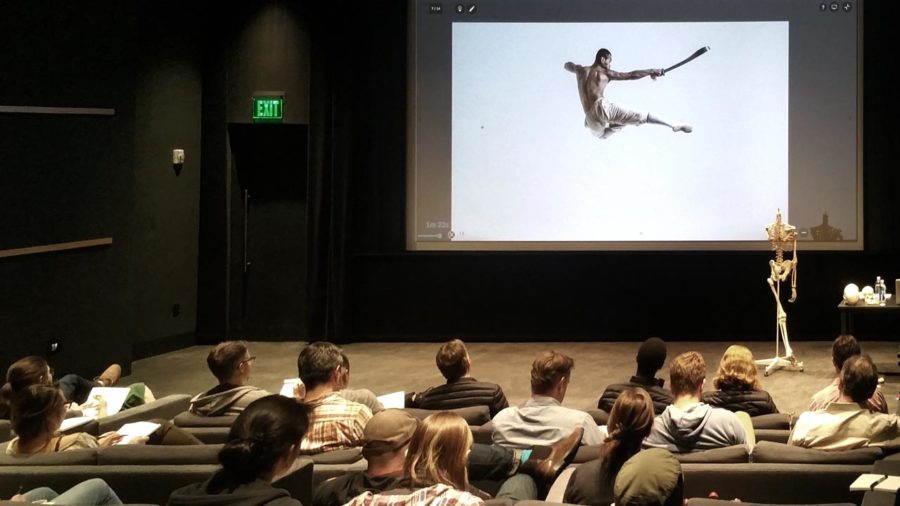
A darkened lecture theatre where a class draws from a Bodies in Motion sequence projected on the screen — a flying side-kick — beside a hanging study skeleton

A Bodies in Motion drawing session

Art Education

Bodies in Motion is an ever-expanding resource for studying drawing, anatomy, sculpture, and the human figure in motion.

We hope teachers will use the library in the classroom and start to integrate it into their curriculum. There are two ways in — one to teach from, one to hand to your students.

In the classroom

Teach from a single PRO seat

A single PRO subscription can be used in front of the class to project or display images for drawing sessions. If you have a projector or large screen, that's all it takes to get started.

See plans & pricing

For your students

Give the class their own access

Want students to reach the site for study or assignments, in or out of class? Get in touch and we'll arrange an educational site license or a group enrolment discount for your classroom.

Get in touch

Ideas for teaching

A few ways to run a session — from quickdraw warm-ups to deep study of a single pose.

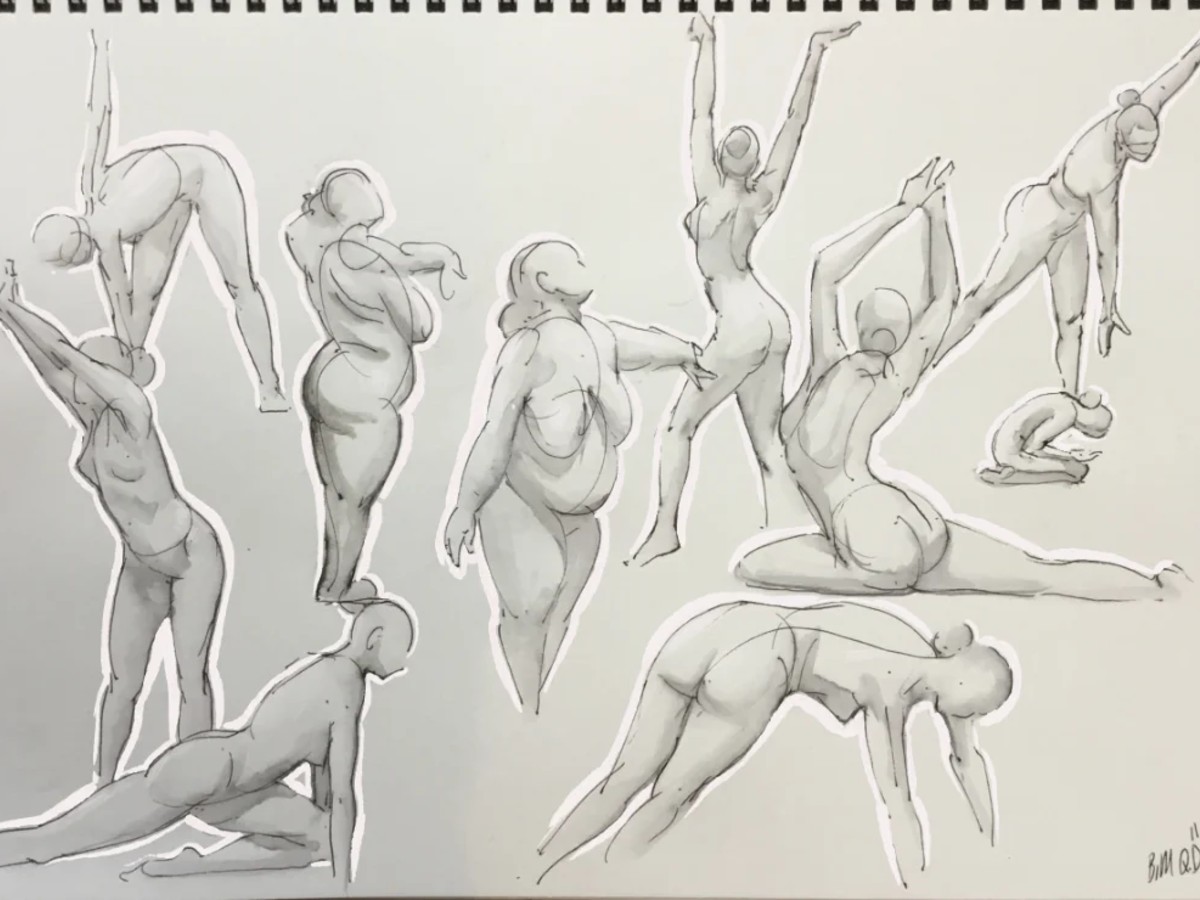
A sketchbook page of quick gesture drawings — many figures caught in varied dynamic poses

Idea 1

Warm the room up with QuickDraw

QuickDraw is a fast way to get your class going with a varied playlist of dynamic poses. From there you can browse for inspiration and have them draw from any module — all excellent, complementary adjuncts to life drawing that give an insight into the dynamic figure that's difficult to get from a life model.

Motions Expressions 3D Scans Muybridge

There's a wide range to choose from, and you'll no doubt have your favourites — but if you find yourself in a rut, pick a module and sort by "Surprise Me," then draw from the first results that come up.

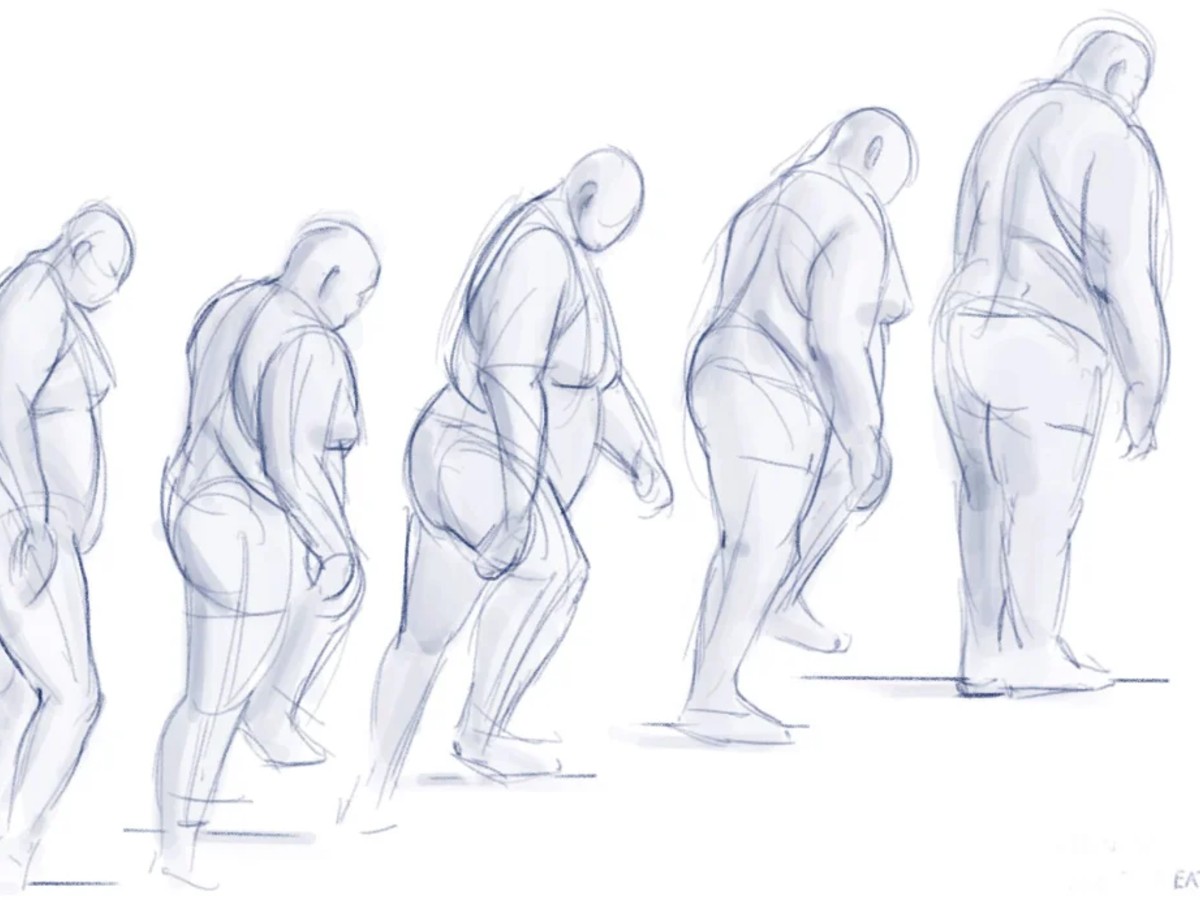
A timed gesture study — a sequence of figure sketches showing one pose evolving across several frames

Idea 2

Run a timed gesture session

When drawing from Motions, Expressions or Muybridge, the Timer sits at the top of the frame and automatically flips through the images. Pull the slider right to choose the speed: 30-second, 1-, 2-, and 5-minute intervals. (The same controls live on the fullscreen view.) Set the frame interval to skip over frames to make the poses evolve more quickly.

A timed session of 5–10 frames is perfect for gesture study, and gives students a real sense of how the body moves from pose to pose.

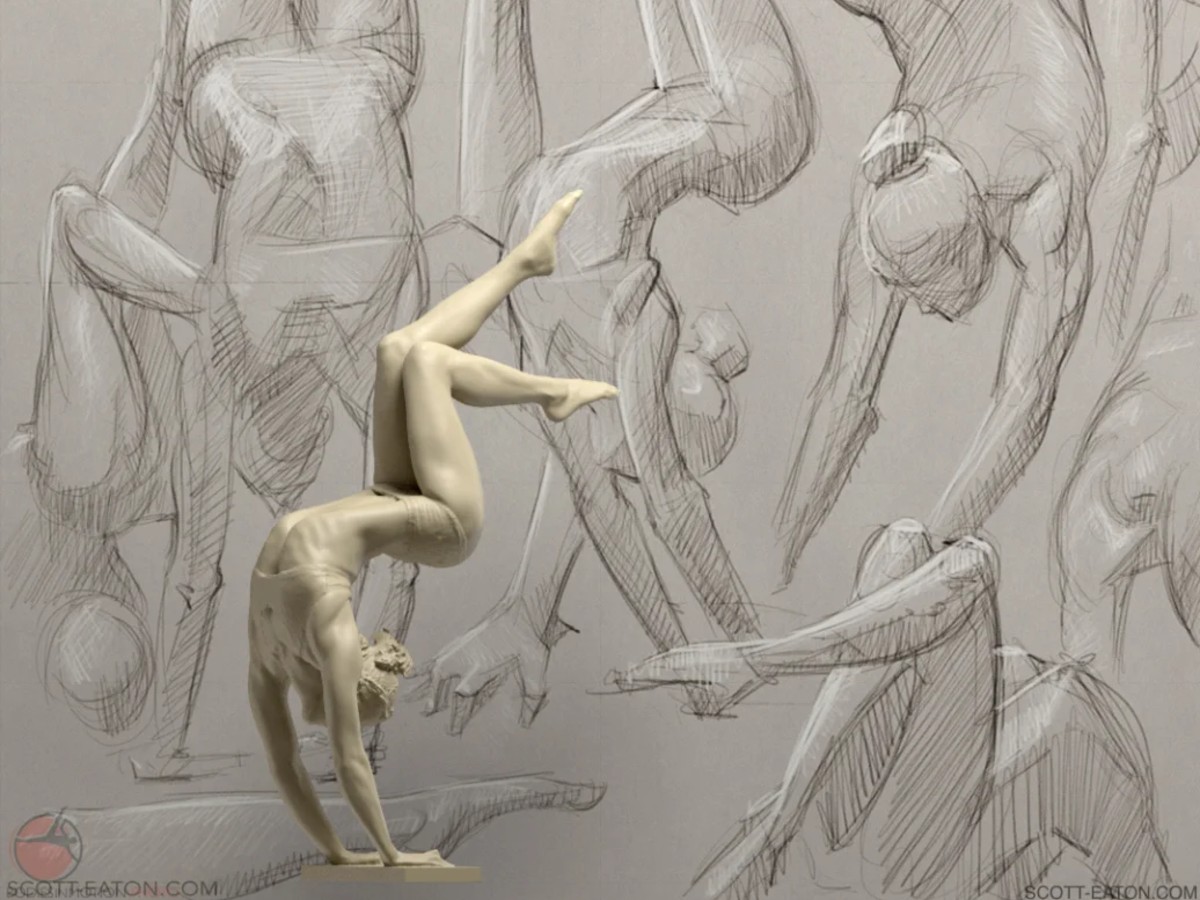
A white 3D scan mannequin in a handstand, surrounded by pencil studies of the pose drawn from multiple angles

Idea 3

Study one pose from every angle

Browse the 3D Scan module to find an interesting pose and open the Scan viewer. Find a good angle and start drawing. Have students work through five different angles of a pose, maybe 2–5 minutes each, to really grasp its balance, gesture and volume.

The lighting variations add another dimension for studying the internal forms — rim lighting, bottom lighting, etc. Try tone studies of the same pose under different light; each variation highlights different planes, volume, and anatomy of the figure.
New content every month

There are countless possibilities, and content is added each month. Our goal is to build the greatest study resource for aspiring figurative artists on the internet — join us, and share the site with your students.

Unlock the human figure for your students

Bring Bodies in Motion into your classroom.

150,000+ studio-lit images of the body in motion — start filling sketchbooks.